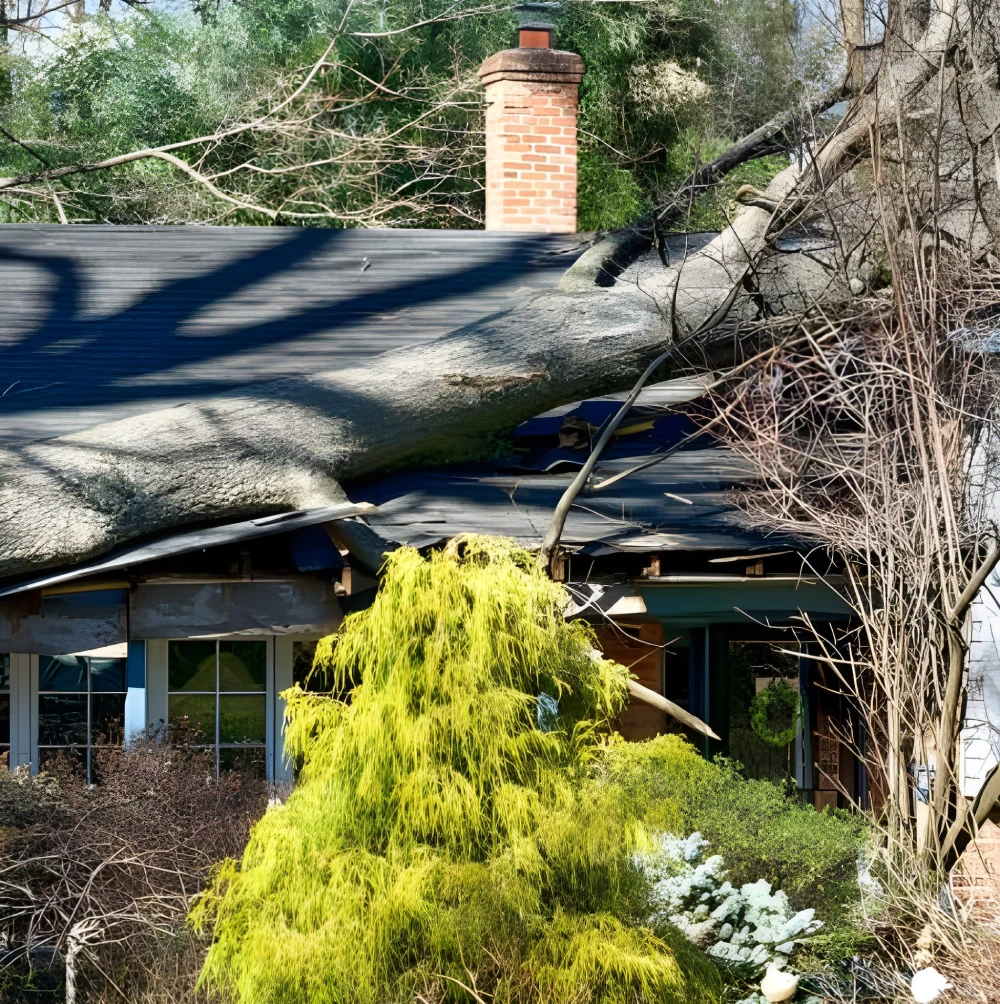
Florida faces many weather-related risks monthly, such as severe storms with high wind speeds, tropical storms, and hurricanes. These weather events can unleash the powerful forces of nature, posing significant threats to homes and businesses across the state. When your home or business experiences wind damage, it can lead to various types of damages that may affect the structural integrity and overall condition of the property, making them inevitable challenges to avoid. From roof damage, siding, and exterior impairments to the potential for water infiltration, the impacts of wind damage can be far-reaching.
Understanding the nature of these risks is crucial for residents and businesses alike to prepare adequately and respond effectively when faced with the aftermath of severe weather events.
High winds have the potential to cause significant damage to your roof. This can include the loss of shingles, which serve as the protective outer layer of your roof. Additionally, wind may damage the underlying roof materials or even lead to structural issues. Structural damage can compromise the roof’s integrity, creating the risk of potential leaks. It’s crucial to address roof damage promptly to prevent water infiltration and further structural deterioration.
The force of strong winds can result in various types of damage to the siding and exterior components of your home or business. Dents, cracks, or other forms of exterior damage not only affect the property’s aesthetic appeal but also compromise its weatherproofing. Properly maintaining the exterior is essential to protect the building from the elements and prevent potential water damage inside.
Some storms can cause damage that cannot be seen from the ground level, such as missing, torn, or creased shingles. Also, there can be ceiling stains that can be hard to notice inside the house and attic.
Windows and doors are vulnerable to the impact of high winds. Wind force can break windows and doors, compromising the security of your property and allowing external elements, such as rain or debris, to enter.
Roof or exterior damage caused by wind can pave the way for water infiltration. This infiltration can result in water damage to ceilings, walls, and personal belongings inside the property. Water damage poses not only structural risks but also the potential for mold growth if not addressed promptly. Thoroughly assessing and repairing any areas susceptible to water entry is essential to mitigate further damage.
Severe winds have the potential to cause structural damage to the building. This can include damage to load-bearing elements, walls, or the overall framework. Structural integrity is crucial for the safety and stability of the property. Timely inspection and repairs are necessary to address any structural damage caused by wind.
Wind can transform loose objects into projectiles, posing a significant threat to structures, vehicles, and other property. Flying debris can cause substantial damage to roofs, windows, and siding. Clearing the surrounding area of potential projectiles and securing loose items before severe weather events can help minimize the risk of debris impact.
Falling trees or branches, as well as damaged power lines, are common outcomes of high winds. These incidents can lead to power outages, affecting both residential homes and businesses. Power outages can disrupt daily activities, compromise security systems, and lead to other inconveniences. Being prepared for potential power outages and having backup plans in place is essential.
Physical Destruction: Fires can cause varying degrees of structural damage, ranging from minor to catastrophic. The extent of destruction depends on factors such as the fire’s size, intensity, and how quickly it was extinguished.
Smoke and Soot Residue: Even after the flames are out, the lingering effects of smoke and soot can be pervasive. These residues can infiltrate every nook and cranny of your property, causing long-term damage if not properly addressed.
Water Damage: Firefighting efforts often involve the use of water, which can lead to additional damage, including waterlogged structures, mold growth, and electrical issues.
Secondary Damage: Fires can trigger a domino effect of destruction, with secondary damages such as mold growth, electrical system failures, plumbing issues, and more, further complicating the recovery process.
Content Damage: Your personal belongings, business inventory, equipment, and furnishings can all suffer harm from fire, smoke, heat, and water. These losses can have both emotional and financial consequences.

Don’t navigate your Wind Storm claim alone. Our experts handle the inspections, paperwork, and negotiations — ensuring your insurer pays what’s fair. Call us now to schedule a free claim review or speak with an adjuster about your situation.
After a fire, it’s essential to conduct a thorough assessment of the damage, considering both the immediate and secondary effects. This assessment plays a pivotal role in the insurance claim process, influencing the compensation you receive. Our experienced public adjusters at Right Way Public Adjusting specialize in evaluating fire damage accurately to ensure you receive the compensation you deserve.
We understand the unique challenges posed by fire damage, and we are committed to helping homeowners and business owners alike recover and rebuild. If you’ve experienced a fire loss, don’t hesitate to reach out for a free consultation with our public adjusters. We’re here to provide the support and expertise you need during this challenging time.